


In this short, four-part series, we will dissect the growing push toward mandatory digital identification systems across the Five Eyes alliance nations: the United Kingdom, Canada, Australia, and New Zealand. Each installment will spotlight one country, exposing the risks of handing over personal data to centralized databases under the guise of convenience and security.
From privacy erosion to outright surveillance, these initiatives threaten individual freedoms in ways that could reshape society. We start with New Zealand, where recent developments reveal just how vulnerable citizens become when governments digitize every aspect of life.
New Zealand has long prided itself on a balanced approach to technology and privacy. Yet the nation’s foray into digital IDs shows a shift toward greater control. The Digital Identity Services Trust Framework Act (2023), effective since July 2024, establishes rules for accrediting providers to handle secure digital identities. This framework aims to prevent fraud while emphasizing privacy, but it opens doors to mandatory use in government services, financial transactions, and even age verification. Then there’s NZ Verify, a mobile app rolled out in May 2025 for streamlined identity checks, available to both residents and visitors. Add to that the Digital Health Identity system, which authenticates users for accessing health records, and the upcoming digital driver’s license set for late 2025. On the surface, these tools promise efficiency: no more fumbling for physical cards, just a quick scan or login.
But dig deeper, and the cracks appear. Physical IDs like the National Health Index number, driver’s licenses, RealMe cards, and Community Services Cards already serve most needs without forcing everyone into a digital ecosystem.
The real danger lies in mandating these systems, especially when they involve sensitive medical data. Take the Manage My Health app, a third-party platform that manages access to medical records and health visit histories for millions of Kiwis. This app essentially acts as a digital vault for your most private information, from doctor’s notes to prescription details.
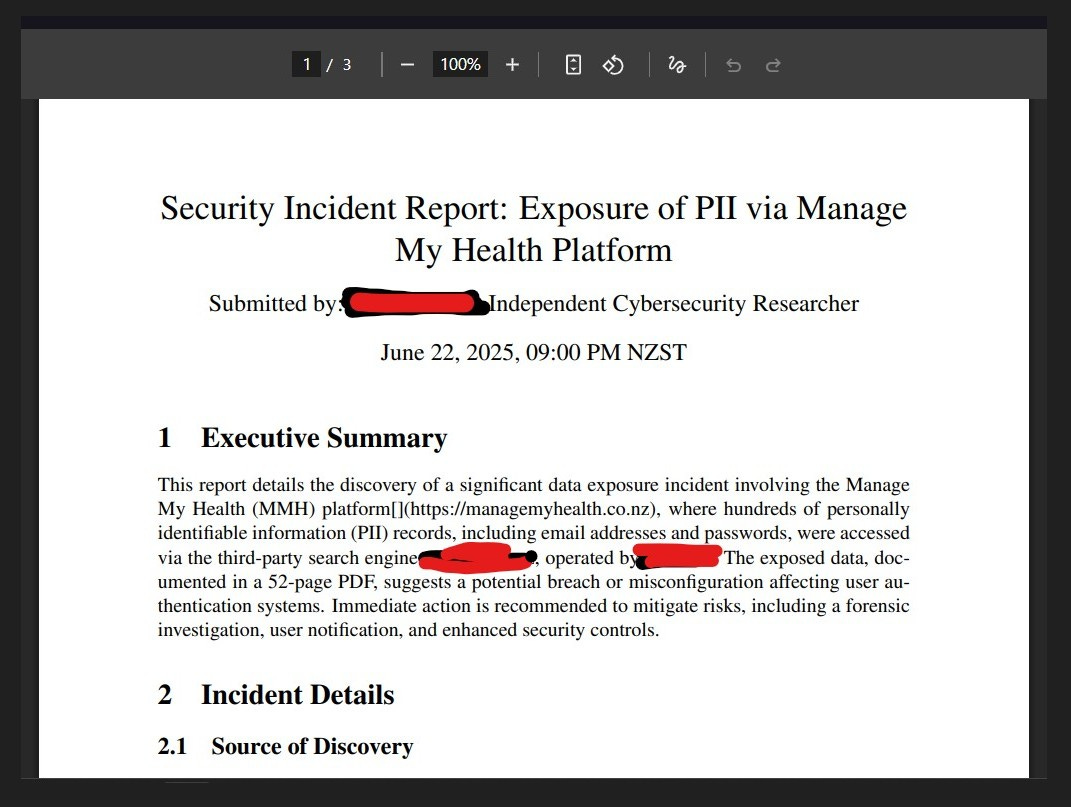
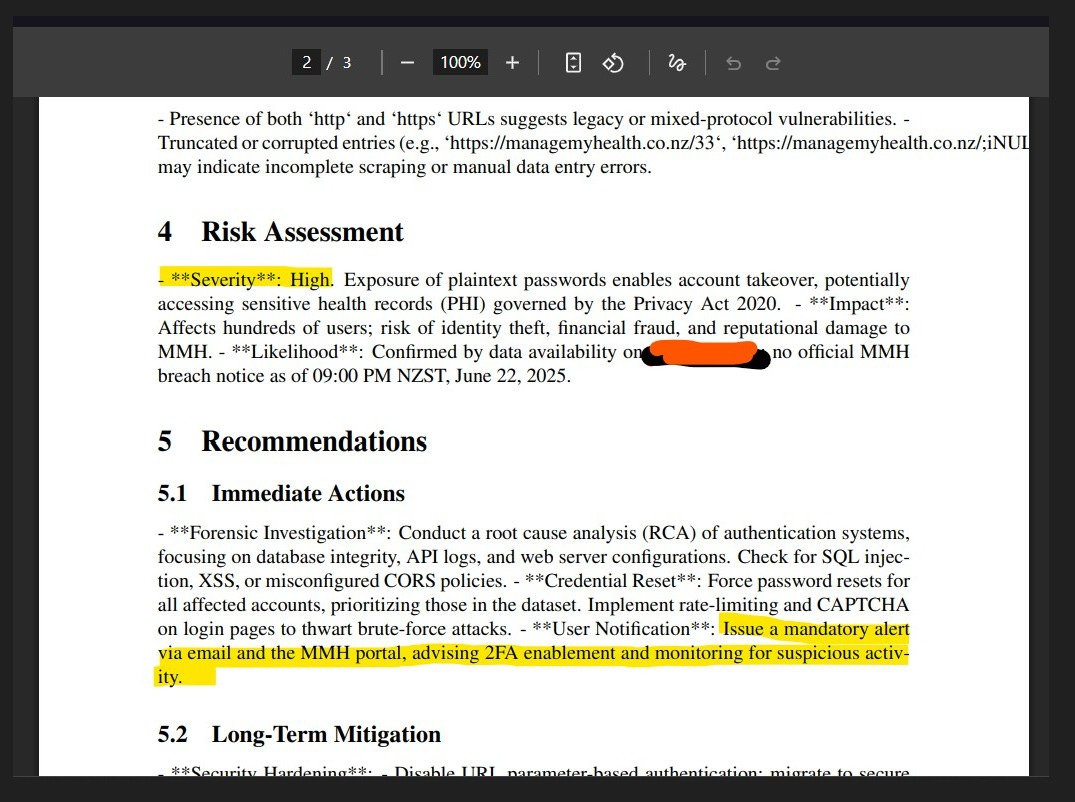
Here’s where it gets alarming. Sources have confirmed a data breach in the Manage My Health app that has yet to be publicly acknowledged. Our source originally made contact with NZ Gov officials on June 22, 2025. The NZ Prime Minister, Luxon, was also sent the same email.
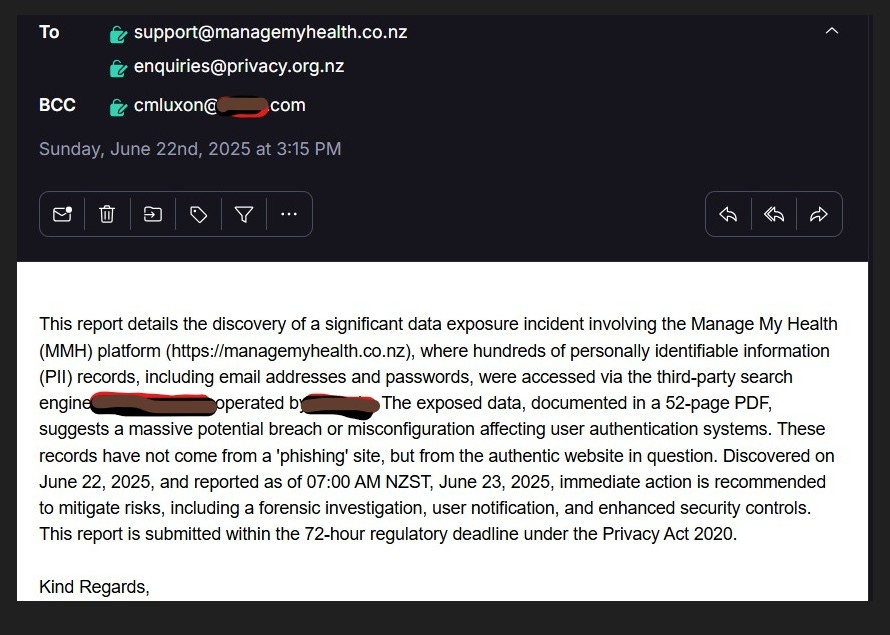
The New Zealand government has been made aware of the situation, but as of now, there has been no official response or action. This isn’t speculation; the breach has most definitely occurred, exposing users to potential identity theft, medical fraud, or worse.
Entrusting a third-party company with a comprehensive database of citizens’ health data is a recipe for disaster. One slip, whether from hackers, insider threats, or simple negligence, and your entire medical history could end up in the wrong hands. We’ve seen similar incidents globally, where breaches lead to blackmail, discrimination by insurers, or even targeted scams.
If digital IDs become compulsory, as trends suggest they might, the risks multiply. Imagine a world where accessing healthcare, banking, or government benefits requires linking everything to a single digital profile. In New Zealand, with its small (test) population and interconnected systems, a widespread breach could affect nearly everyone. The government’s silence on this recent incident speaks volumes about accountability. Who oversees these third parties? What happens when, not if, the next breach occurs? Privacy laws exist, but enforcement often lags behind technology, leaving citizens as the ultimate losers.
This is just the beginning. New Zealand’s experience serves as a cautionary tale for the rest of the Five Eyes. In Part 2, we’ll turn to Australia, where voluntary systems are inching toward mandates amid similar privacy pitfalls. Stay tuned, and remember: convenience today could mean control tomorrow.


We had no voice or participation in this unacceptable high risk decision!!
JUST SAY NO THANKS!!!🤬
I really appreciate this and I will repost. It is reprehensible that the NZ government knew about this and did not inform the public.